A used breast pump needs a user-design check before a cleaning plan
The key question about a used breast pump is whether the device was designed for more than one user. Looking clean, having new tubing or being described as hospital grade does not answer it. Establish the exact design and manufacturer instructions before considering a secondhand purchase or rental.
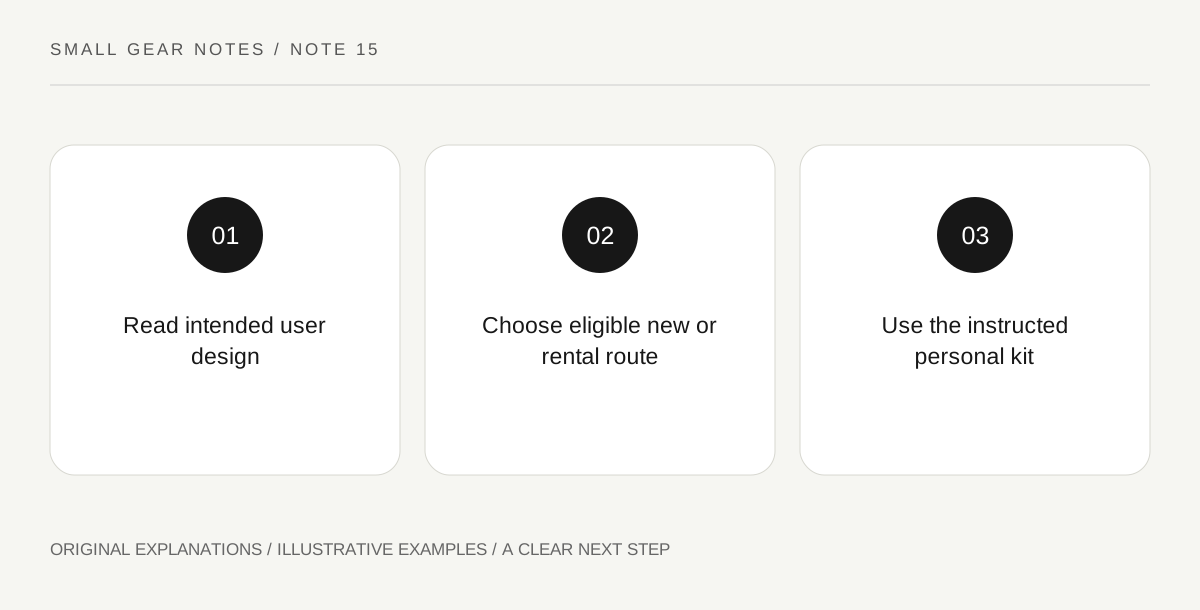
Original explanatory diagram. Read the full method and limitations below.
Identify the model and intended users
Find the pump model on the device and read the manufacturer's instructions for whether it is single-user or designed for multiple users. FDA considers pumps single-user devices except those designed for multiple users. Do not substitute a seller's wording, a familiar brand or the phrase closed system for that determination. Ask the manufacturer directly if the manual is unclear. A pump can have a design feature that limits milk entry into one area while still not being intended to pass between different users.
Understand the limit of visible cleaning
FDA warns that a previously used single-user pump can carry infectious material and cannot be assumed to be adequately cleaned between different users. Replacing the parts you can see does not establish that every relevant internal area has been reprocessed appropriately. Avoid treating a spotless exterior, a short use history or a sealed bag of new accessories as proof. Single-user does not necessarily mean one pumping session; it describes who the device is designed to serve. Read that distinction before comparing secondhand prices.
Ask what happens if the rental device fails over a weekend or a component becomes damaged. The provider should be able to explain its support and replacement arrangements and the relevant return process. This practical question is distinct from whether the pump is medically appropriate for you, which may require clinical or lactation input. Read charges and accessory requirements before comparing rental with purchase, since a headline weekly price may omit the individual kit. Keep the arrangement identifiable so a replacement device is not assumed equivalent without instructions.
Ask different questions for a multiple-user rental
When renting a pump designed for multiple users, use a reputable provider and confirm that the device has been cleaned and disinfected according to the manufacturer. Ask which personal accessory kit is required for you and which pieces must be new or individually assigned. Check the exact instructions for assembling and caring for the kit, rather than assuming another pump's process applies. A rental agreement should identify the model and support route so you can report a damaged connector or malfunction without attempting an electrical or internal repair.
Compare the complete access route
Consider insurance, WIC or other eligible support alongside the upfront cost, using official programme information for your own circumstances. Check availability of approved replacement parts and manufacturer support before choosing a device. If pumping causes pain or you have concerns about milk expression, seek qualified lactation or clinical help instead of increasing settings or buying improvised components. A pump is a medical device, and product access does not replace individual assessment. Keep the user instructions and receipt with the device so later questions can be answered from its identity.
New accessories, old user history
Illustrative example: a seller offers a single-user pump with unopened tubing and calls it hospital grade. The buyer checks the exact manufacturer's designation and declines the used device. They compare an eligible new pump with a properly managed multiple-user rental instead; the accessory packaging does not change the pump's intended users.
Practical checks
Optional checkboxes save only in this browser.
Questions that come up
Does single-user mean disposable after one session?
No. It refers to use by one person according to the instructions, not necessarily a single pumping session. It should not be reinterpreted as permission to share.
Does a closed system automatically permit sharing?
No. Verify whether the exact model is designed for multiple users. A design label alone does not establish that permission.
References and scope
These sources support the factual background. Examples and exercises are original illustrative teaching material. References do not imply endorsement.
- FDA buying and renting a breast pump — Single-user versus multiple-user pumps and used-pump risks.